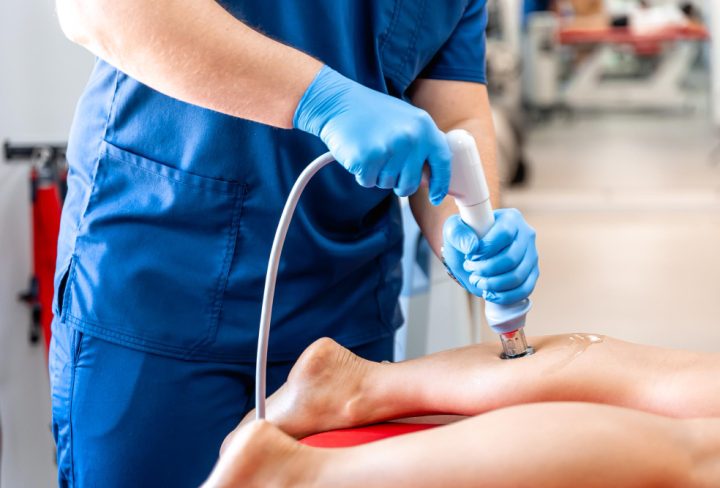
Shockwave therapy is a non-invasive treatment that uses sound waves to help the body heal. Many doctors now use shockwave therapy for pain relief and to treat musculoskeletal conditions. As more people look for safe and effective options, shockwave therapy is becoming popular in clinics and hospitals. In this blog, you will learn what shockwave therapy is, how it works, its benefits, and what to expect during and after treatment.
What is Shockwave Therapy?
Shockwave therapy uses high-energy sound waves to target areas of pain or injury. These waves travel through the skin and reach deep tissues. As a result, they help the body repair itself. Doctors often use this therapy for problems with muscles, tendons, and bones. For example, it can help with heel pain, tennis elbow, and shoulder pain. Because it does not require surgery, many people prefer this treatment.
Benefits of Shockwave Therapy
Shockwave therapy offers several important benefits. Many patients notice improvements after just a few sessions. Some key benefits include:
Because of these benefits, shockwave therapy is a good choice for many people with chronic pain or injuries.
How is Shockwave Therapy Performed?
Shockwave therapy is simple and does not require anesthesia. Here is what usually happens during a session:
Because the procedure is quick, you can return to most daily activities soon after.
Who Can Benefit from Shockwave Therapy?
Shockwave therapy helps many people with pain or injuries. It is often used for:
People who have not improved with rest, medicine, or physical therapy may benefit most. However, not everyone is a good candidate. For example, people with blood clotting problems or infections in the area should avoid this treatment. Always talk to your doctor before starting shockwave therapy.
Safety and Side Effects
Shockwave therapy is safe for most people. According to studies and health experts, serious side effects are rare. However, some mild side effects can occur. These may include:
Usually, these effects go away within a few days. People with certain health conditions, such as nerve disorders or infections, should not get shockwave therapy. Pregnant women should also avoid it. For more details, you can check guidelines from trusted sources like the World Health Organization (WHO) and peer-reviewed journals.
What to Expect After Treatment
After shockwave therapy, most people can return to normal activities the same day. However, you may feel mild soreness or swelling for a short time. It is important to follow your doctor’s advice about rest and activity. In many cases, you will need more than one session for the best results. Over time, you should notice less pain and better movement. If you have any concerns, contact your healthcare provider right away.
Frequently Asked Questions about Shockwave Therapy
Is shockwave therapy painful?
Most people feel only mild discomfort during the procedure. The sensation is often described as tapping or pulsing. If you feel too much pain, let your doctor know. They can adjust the settings to make you more comfortable.
How many sessions will I need?
Usually, patients need three to five sessions. The exact number depends on your condition and how you respond to treatment. Your doctor will create a plan that fits your needs.
Can I return to work after shockwave therapy?
Yes, most people can go back to work or daily activities right after each session. However, you should avoid heavy exercise for a day or two, as advised by your doctor.
Are the results permanent?
For many people, the pain relief lasts a long time. However, some may need repeat treatments if symptoms return. Following your doctor’s advice can help you get the best results.
Conclusion
In summary, shockwave therapy is a safe and effective option for many people with pain or injuries. It offers pain relief, faster healing, and improved movement without surgery. Because it is non-invasive and has few side effects, more people are choosing this treatment. Consult a healthcare professional to find out if shockwave therapy is right for you.