Introduction
Aspiration pneumonia during surgery is a serious complication. It happens when food, liquid, or stomach contents enter the lungs instead of the stomach. This can cause infection and breathing problems. During surgery, patients are at higher risk because anesthesia can relax the throat muscles. Therefore, understanding this risk is important for anyone preparing for surgery. According to the CDC, aspiration pneumonia can lead to longer hospital stays and more health problems if not treated quickly.
Symptoms and Warning Signs
Recognizing the symptoms of aspiration pneumonia during surgery is vital. Early signs help doctors act fast. Some symptoms may appear right away, while others develop later. For example, you may notice:
However, some patients may not show clear signs at first. So, doctors watch closely for any changes.
Causes and Risk Factors in Surgical Settings
During surgery, several factors can increase the risk of aspiration pneumonia. Anesthesia relaxes the muscles that keep food and liquids out of the lungs. In addition, certain conditions make aspiration more likely. These include:
Because of these risks, doctors take special care before and during surgery.
Emergency Response Steps During Aspiration Events in Surgery
If aspiration happens during surgery, the medical team must act fast. Quick action can prevent serious problems. The emergency response steps usually include:
Moreover, the team may call for extra help if the patient’s condition worsens. Every second counts in these situations.
Diagnosis and Immediate Management
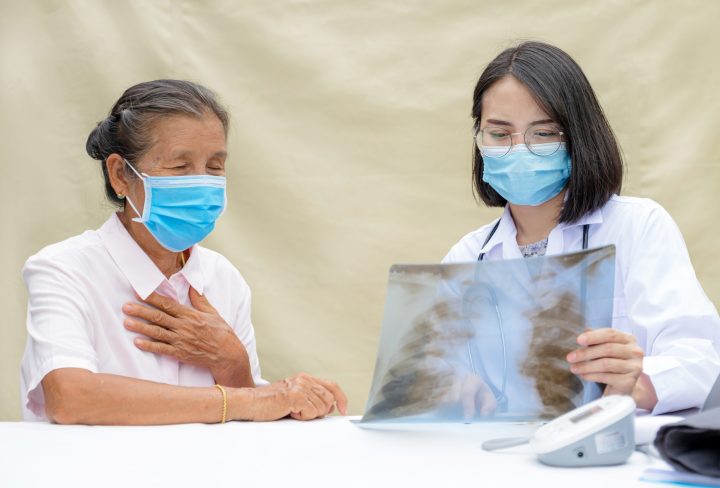
After an aspiration event, doctors use several methods to confirm aspiration pneumonia. For instance, they may order a chest X-ray to look for infection. Blood tests can also show signs of infection or low oxygen. In some cases, a sample from the lungs may be tested. Once diagnosed, treatment starts right away. This often includes:
Early treatment helps reduce the risk of long-term problems.
Prevention Strategies Before and During Surgery
Preventing aspiration pneumonia during surgery is a top priority. Doctors and nurses use several strategies to lower the risk. For example:
Additionally, clear communication between the surgical and anesthesia teams helps prevent mistakes.
Recovery and Aftercare Guidance
Recovery from aspiration pneumonia during surgery can take time. Most patients need close monitoring in the hospital. After leaving the hospital, follow-up care is important. Here are some tips for recovery:
If symptoms return or worsen, contact your healthcare provider right away.
Frequently Asked Questions (FAQs)
What is aspiration pneumonia during surgery?
It is a lung infection caused by inhaling food, liquid, or stomach contents during surgery, often due to anesthesia.
Who is at higher risk?
Patients with reflux, obesity, older age, or swallowing problems are at higher risk. Emergency surgeries also increase the risk.
Can aspiration pneumonia be prevented?
Yes, with proper fasting, careful anesthesia, and close monitoring, the risk can be reduced.
What are the long-term effects?
Most people recover fully with treatment. However, severe cases can lead to lasting lung problems.
When should I seek help after surgery?
If you have trouble breathing, fever, or a new cough after surgery, contact your doctor right away.
Conclusion
Aspiration pneumonia during surgery is a serious but preventable complication. Knowing the symptoms, causes, and emergency response steps can help keep you safe. Always follow your doctor’s advice before and after surgery. Consult a healthcare specialist for personalized advice.