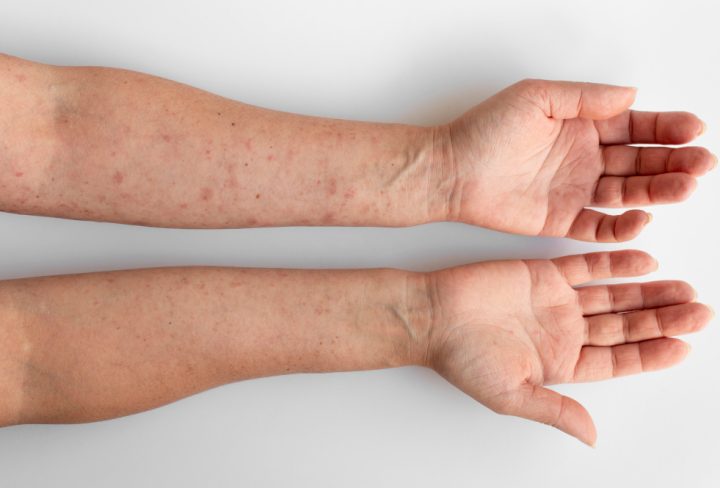
What Are Allergic Reactions to Anesthetic Drugs?
Allergic reactions to anesthetic drugs can happen when your body treats these medicines as harmful. Because anesthesia is used during many surgeries and procedures, knowing about these reactions is important. Some people may have mild symptoms, but others can face serious problems. For this reason, understanding risk factors for anesthesia allergies helps keep you safe. An allergy to anesthesia drugs can cause different symptoms, so it is good to know what to watch for.
Common Symptoms of Anesthesia Allergies
Although most people do not have problems with anesthesia, some may react. Early signs can be mild, but sometimes they become severe. For example, you might notice:
However, some reactions can be life-threatening. If you notice any of these symptoms, tell your doctor right away. According to the World Health Organization (WHO), severe reactions are rare but need quick treatment.
Main Risk Factors for Allergic Reactions During Anesthesia
Not everyone is at risk for anesthesia allergies. Still, some people have a higher chance. Knowing these risk factors can help you and your doctor plan ahead. Common risk factors include:
For example, if you have had an allergy to anesthesia drugs before, your risk is higher. In addition, people with many allergies or asthma should be extra careful. The Centers for Disease Control and Prevention (CDC) notes that sharing your full medical history helps lower risks.
How Doctors Diagnose Anesthetic Drug Allergies
Doctors use several steps to find out if you have an allergy to anesthesia drugs. First, they ask about your medical history and any past reactions. Next, they may do skin tests or blood tests. Sometimes, doctors use special tests in a hospital to check for reactions safely. Because these tests can be risky, they are done with care. If you have had symptoms before, tell your doctor about them. This helps your care team choose the safest drugs for you.
Prevention Tips and What to Discuss with Your Doctor
There are ways to lower your risk of allergic reactions to anesthetic drugs. Before any surgery or procedure, talk to your doctor about:
Additionally, ask your doctor about safer drug options if you have known allergies. Sometimes, doctors may give you medicine before surgery to help prevent reactions. Always follow your doctor’s advice and ask questions if you are unsure. The American Society of Anesthesiologists recommends open communication for safe care.
Conclusion
In summary, allergic reactions to anesthetic drugs are rare but can be serious. Knowing your risk factors and symptoms helps you stay safe. If you have concerns about anesthesia allergies, consult a healthcare specialist for personalized advice.